
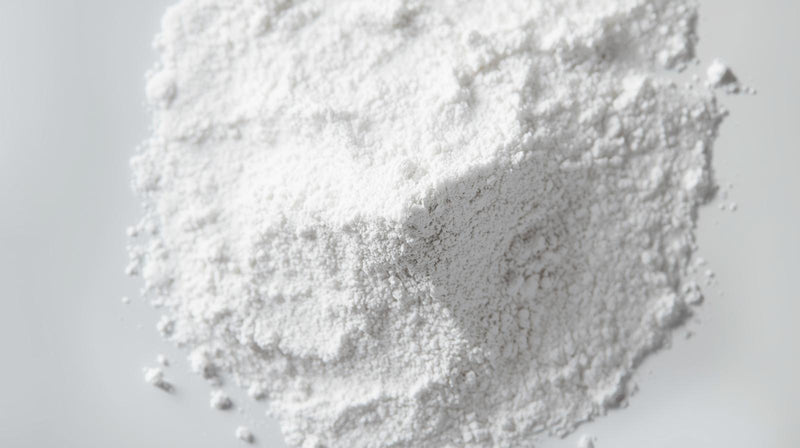
CDP-Choline (Citicoline)
Citicoline (CDP-choline) is a bioavailable form of choline used to produce acetylcholine, a neurotransmitter essential for memory and learning.
Why it matters
Acetylcholine is directly involved in encoding new information. Low levels are associated with poor memory formation and mental fatigue.
How it works
Supplies choline for acetylcholine synthesis
Supports brain cell membrane repair (phospholipids)
Enhances neuronal energy metabolism
What it supports
Attention and focus
Memory formation
Mental energy
Cognitive processing speed
Research-linked outcomes (daily use)
Clinical studies report improvements in attention, psychomotor speed, and memory performance, particularly under cognitive load.
References:
McGlade E. et al., Improved Attentional Performance Following Citicoline Administration in Healthy Adult Women, Food and Nutrition Sciences, 2012.
Silveri MM et al., Citicoline enhances frontal lobe bioenergetics as measured by phosphorus magnetic resonance spectroscopy, NMR in Biomedicine, 2008.
Alvarez XA et al., Citicoline improves memory performance in elderly subjects, Methods & Findings in Experimental & Clinical Pharmacology, 1997.
Fioravanti M., Buckley AE., Citicoline (Cognizin) in the treatment of cognitive impairment, Clinical Interventions in Aging, 2006.

Bacopa Monnieri (50% HPLC)
A traditional Ayurvedic herb standardized for bacosides, compounds studied for memory enhancement.
Why it matters
Unlike stimulants, Bacopa targets long-term memory consolidation — how information becomes stored.
How it works
Enhances synaptic communication
Supports neuroplasticity
Provides antioxidant protection in brain tissue
What it supports
Memory retention
Recall speed
Learning capacity
Mental processing accuracy
Research-linked outcomes
Studies show improved memory acquisition, retention, and recall after sustained supplementation (often 8–12 weeks).
References:
Stough C. et al., Chronic effects of Bacopa monnieri on cognitive function in healthy human subjects, Psychopharmacology, 2001.
Morgan A., Stevens J., Does Bacopa monnieri improve memory performance in older persons?, Journal of Alternative and Complementary Medicine, 2010.
Calabrese C. et al., Effects of a standardized Bacopa monnieri extract on cognitive performance, Journal of Alternative and Complementary Medicine, 2008.
Roodenrys S. et al., Chronic effects of Brahmi on human memory, Neuropsychopharmacology, 2002.
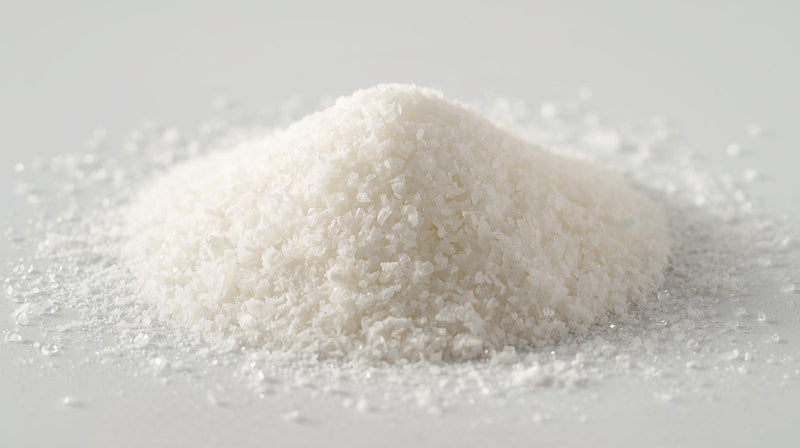
Magnesium L-Threonate
A specialized magnesium form designed to cross the blood-brain barrier.
Why it matters
Magnesium plays a critical role in synaptic plasticity — the brain’s ability to form new connections.
How it works
Elevates brain magnesium levels
Enhances synaptic density
Modulates NMDA receptors (learning pathways)
What it supports
Working memory
Cognitive flexibility
Stress resilience
Sleep quality
Research-linked outcomes
Human and animal studies indicate improvements in memory performance and synaptic function.
References:
Slutsky I. et al., Enhancement of learning and memory by elevating brain magnesium, Neuron, 2010.
(Human cognitive testing included alongside mechanistic research.)
Liu G. et al., Magnesium L-threonate improves cognitive abilities in humans, Journal of Alzheimer’s Disease, 2016.
Abumaria N. et al., Magnesium intake enhances synaptic plasticity and memory, Neuron, 2011.
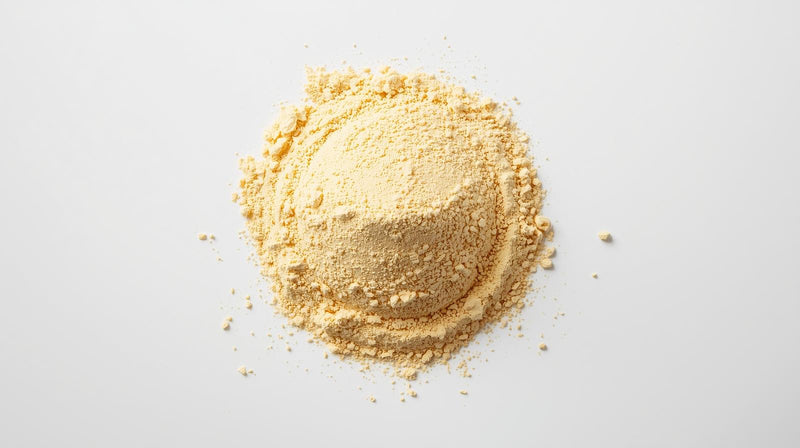
Phosphatidylserine
A phospholipid naturally found in brain cell membranes.
Why it matters
Healthy neurons require flexible membranes for communication and signal transmission.
How it works
Maintains cell membrane fluidity
Supports neurotransmitter release
Helps regulate stress hormone (cortisol) responses
What it supports
Memory performance
Attention
Mental clarity under stress
Cognitive endurance
Research-linked outcomes
Studies suggest improvements in memory, attention, and cognitive function in both younger and older adults.
References:
Benton D. et al., The influence of phosphatidylserine supplementation on mood and cognitive performance, Nutritional Neuroscience, 2001.
Jorissen BL. et al., The influence of soy-derived phosphatidylserine on cognition, Nutrition, 2001.
Vakhapova V. et al., Phosphatidylserine containing omega-3 fatty acids improves memory abilities, Dementia and Geriatric Cognitive Disorders, 2010.

L-Theanine
An amino acid naturally found in green tea known for promoting calm alertness.
Why it matters
Focus is strongest when stress and overstimulation are controlled.
How it works
Increases alpha brain wave activity
Modulates GABA, dopamine, and serotonin
Reduces physiological stress response
What it supports
Calm focus
Anxiety reduction
Attention stability
Cognitive performance under pressure
Research-linked outcomes
Clinical studies show improved attention and reduced stress without sedation.
References:
Kimura K. et al., L-theanine reduces psychological and physiological stress responses, Biological Psychology, 2007.
Giesbrecht T. et al., The combination of L-theanine and caffeine improves cognitive performance, Nutritional Neuroscience, 2010.
Hidese S. et al., Effects of L-theanine administration on stress and cognitive function, Nutrients, 2019.
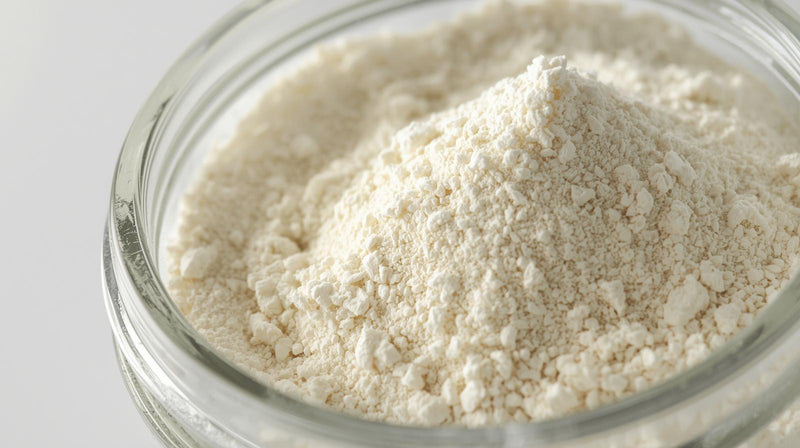
L-Tyrosine
An amino acid precursor to dopamine, norepinephrine, and epinephrine.
Why it matters
These neurotransmitters drive motivation, alertness, and cognitive resilience.
How it works
Supports catecholamine synthesis
Helps maintain performance under stress
Replenishes depleted neurotransmiters
What it supports
Mental endurance
Alertness
Motivation
Performance in demanding tasks
Research-linked outcomes
Studies show improved cognitive performance during stress, fatigue, or sleep deprivation.
References:
Deijen JB., Orlebeke JF., Tyrosine improves cognitive performance under stress, Brain Research Bulletin, 1994.
Shurtleff D. et al., Tyrosine supplementation improves performance during stress, Aviation, Space, and Environmental Medicine, 1994.
Thomas JR. et al., Tyrosine supplementation mitigates stress-induced performance decrements, Brain Research Bulletin, 1999.
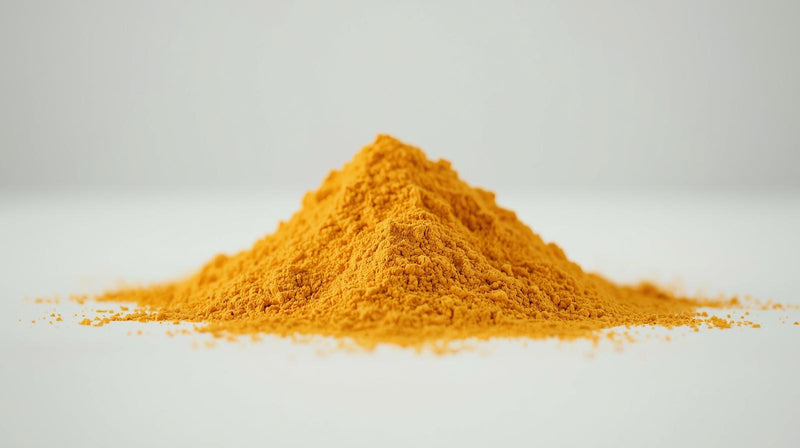
Vitamin B6 (P5P), B12, and B5
Essential B vitamins involved in energy metabolism and neurotransmitter production.
Why they matter
Brain chemistry depends on these cofactors to produce neurotransmitters efficiently.
How they work
B6: Required for neurotransmitter synthesis
B12: Supports nerve function and myelin integrity
B5: Involved in acetylcholine production
What they support
Mental energy
Nervous system health
Cognitive function
Neurotransmitter balance
Research-linked outcomes
Adequate B vitamin intake is associated with improved cognitive function and reduced fatigue
References:
Vitamin B6 (P5P)
Kennedy DO., B vitamins and cognitive performance, Nutritional Neuroscience, 2016.
Bryan J. et al., B vitamin supplementation and cognitive function in healthy adults, Psychopharmacology, 2002.
Vitamin B12
Moore E. et al., Cognitive impairment and vitamin B12 deficiency, Journal of Neurology, Neurosurgery & Psychiatry, 2012.
O’Leary F., Samman S., Vitamin B12 in health and disease, Nutrients, 2010.
Vitamin B5 (Pantothenic Acid)
Dakshinamurti K. et al., Pantothenic acid deficiency effects in humans, Journal of Nutrition, 1983.
NIH Office of Dietary Supplements — Pantothenic Acid Fact Sheet (Human data review)
Non-GMO
Plant Based
Caffeine-Free
3rd-Party Tested
Non-GMO
Plant Based
Caffeine-Free
3rd-Party Tested
Non-GMO
Plant Based
Caffeine-Free
3rd-Party Tested
Non-GMO
Plant Based
Caffeine-Free
3rd-Party Tested
Non-GMO
Plant Based
Caffeine-Free
3rd-Party Tested
Non-GMO
Plant Based
Caffeine-Free
3rd-Party Tested
Non-GMO
Plant Based
Caffeine-Free
3rd-Party Tested
Non-GMO
Plant Based
Caffeine-Free
3rd-Party Tested
FAQ
Nuevira is a daily learning performance supplement designed to support sustained focus, memory formation, and mental endurance during long study periods without stimulants.
Nuevira is designed for:
- Students (college, med school, law school)
- Serious learners and exam takers
- Professionals doing deep work (coding, finance, research)
- Anyone who wants “locked-in focus” without caffeine crashes
Many people notice effects like calmer focus within the first few days/weeks.
However, memory benefits are gradual, and consistent use is recommended for 4–8 weeks for best results.
Yes. Nuevira is designed to be stimulant-free and “stack-safe,” including with coffee.
If you’re sensitive to caffeine, start with a smaller coffee dose.
Potentially yes, especially if the issue is poor encoding (not fully paying attention) due to distraction or stress.
Better focus = better encoding = better recall later.
Nuevira is made in a GMP-certified facility and formulated with widely used nootropic ingredients.
Still: individual tolerance varies, and you should consult a healthcare professional if you have any conditions or take medication.
Best time:
- morning OR early afternoon
- before long study blocks
Avoid taking it too late at night if you’re sensitive.
Some people don’t “feel” it acutely because it isn’t stimulant-based.
Track performance outcomes:
- time to focus
- study endurance
- recall after 1–4 weeks
- reduced re-reading
Nuevira is stimulant-free and is not designed to cause dependency. If you stop taking it, the benefits will gradually fade and you’ll return to your normal baseline. Most users do not experience crashes or withdrawal effects.
Hear from Others

Sam G.
23
Verified Buyer
Took this daily during finals month. The biggest difference for me was mental endurance, it worked so well. No crash and no jitters, which was the main reason I bought it.

Natural Learning Support
$108.00
Purchased on November 15

Marcus L.
26
Verified Buyer
I’m a programmer and I use this for deep work blocks. It doesn’t feel like caffeine. It just makes it easier to stay locked in and not mentally “wander.” Focus feels calmer and more controlled.
Natural Learning Support
$108.00
Purchased on March 15

Andrea V.
21
Verified Buyer
What I like most is the memory support over time. I didn’t expect it to be instant, but after a month I noticed I could recall concepts faster during practice questions.
Natural Learning Support
$108.00
Purchased on March 15

Sofia M.
22
Verified Buyer
I’m sensitive to caffeine and a lot of focus products make me anxious. Nuevira didn’t. It’s the first one I’ve tried that supports focus without making me feel overstimulated.
Natural Learning Support
$108.00
Purchased on March 15

Daniel R.
25
Verified Buyer
I’m in a heavy study schedule and I didn’t want something stimulant-based. With Nuevira I can stay focused longer without the wired feeling. After about 3 weeks I noticed I was rereading less and retaining more.
Natural Learning Support
$108.00
Purchased on March 15
Limited Time
Founders Edition
Experience premium quality and join a small group who will shape the future of Nuevira.
$108.00
